2 Year PG Programme | MBA Dual Specializations | CETCODE- B379
Core Computer Science Subjects:
Elective Courses:
Practical and Project Work:
Internship/Industrial Training:
Soft Skills and Professional Development:
General Education Courses:
Seminar and Workshops:
Practical Training:
Project Work:
The curriculum for a Bachelor of Computer Applications (BCA) program typically covers a broad range of subjects related to computer science and information technology.
The BCA program aims to build strong foundations in programming, software development, and computer applications. It prepares students for fast-growing IT careers by blending theory with hands-on technical skills.
The BCA program at IIMS is a three-year full-time under-graduate course, spread over six semesters.
IIMS’s BCA program is affiliated with Bengaluru City University (BCU).
Yes, practical lab sessions are conducted in every programming and technical course. Students work on real-life coding problems, applications, and mini-projects to strengthen problem-solving abilities.
Yes. All BCA VI Semester students must complete a mandatory project under the guidance of an approved faculty supervisor as prescribed by BCU.
They typically work on real-time applications such as websites, mobile apps, database systems, and automation tools.
These projects help students apply their technical knowledge to practical problems.
Overall, the final-year project allows them to demonstrate creativity, coding skills, and industry-level problem-solving ability.
Absolutely. Students learn SQL, MySQL, and DBMS concepts with practical database design and query-building exercises.
Yes, foundational modules in Al/ML, cloud computing basics, and data analytics are integrated. This exposure helps students stay aligned with global tech trends.
Yes. The college provides exclusive placement opportunities for BCA students through a dedicated technology-focused placement cell that works closely with IT-industry partners. Specialized recruitment drives, coding-based assessments, internships, and pre-placement training sessions are organized exclusively for BCA candidates to match their skill sets in software development, networking, cloud computing, and data management. This ensures that BCA students receive priority access to tech-oriented job roles, personalized career guidance, and higher chances of securing positions with reputed companies.
Yes, students learn Android basics and mobile app development frameworks. This ensures they are ready for one of the most dynamic areas in the IT sector.
Yes, students are guided to pursue certifications in Python, Java, AWS Cloud, and Cybersecurity. These certifications enhance their global employability.
Our programme combines cutting-edge curriculum with real-time projects, industry mentoring, and technology-enabled learning. Students gain exposure to the tools and platforms used by modern IT companies.
Students learn C, C++, Java, Python, HTML/CSS, JavaScript, and database programming. This multi-language training builds versatile coding skills demanded by top recruiters.
BCU offers a well-structured BCA curriculum under the SEP and NEP/CBCS model, balancing core computing subjects, labs, electives, and skill-based courses.
Its education policy includes continuous internal assessment along with semester-end examinations to ensure consistent learning.
The university follows a transparent 10-point grading system with SGPA and CGPA calculations for fair academic evaluation.
Yes. Mathematics is included in the BCA curriculum because it builds logical reasoning, analytical thinking, and strong problem-solving skills essential for programming, algorithms, data structures, databases, and computing logic.
BCU offers a well-structured BCA curriculum under the SEP and NEP/CBCS model, balancing core computing subjects, labs, electives, and skill-based courses.
Its education policy includes continuous internal assessment along with semester-end examinations to ensure consistent learning.
The university follows a transparent 10-point grading system with SGPA and CGPA calculations for fair academic evaluation.
Yes. Mathematics is included in the BCA curriculum because it builds logical reasoning, analytical thinking, and strong problem-solving skills essential for programming, algorithms, data structures, databases, and computing logic.
The BCA program typically uses a blended teaching-learning methodology, combining classroom lectures with practical lab sessions.
It emphasizes project-based and experiential learning through assignments, case studies, and rea
The BCA program typically uses a blended teaching-learning methodology, combining classroom lectures with practical lab sessions.
It emphasizes project-based and experiential learning through assignments, case studies, and real-world applications.
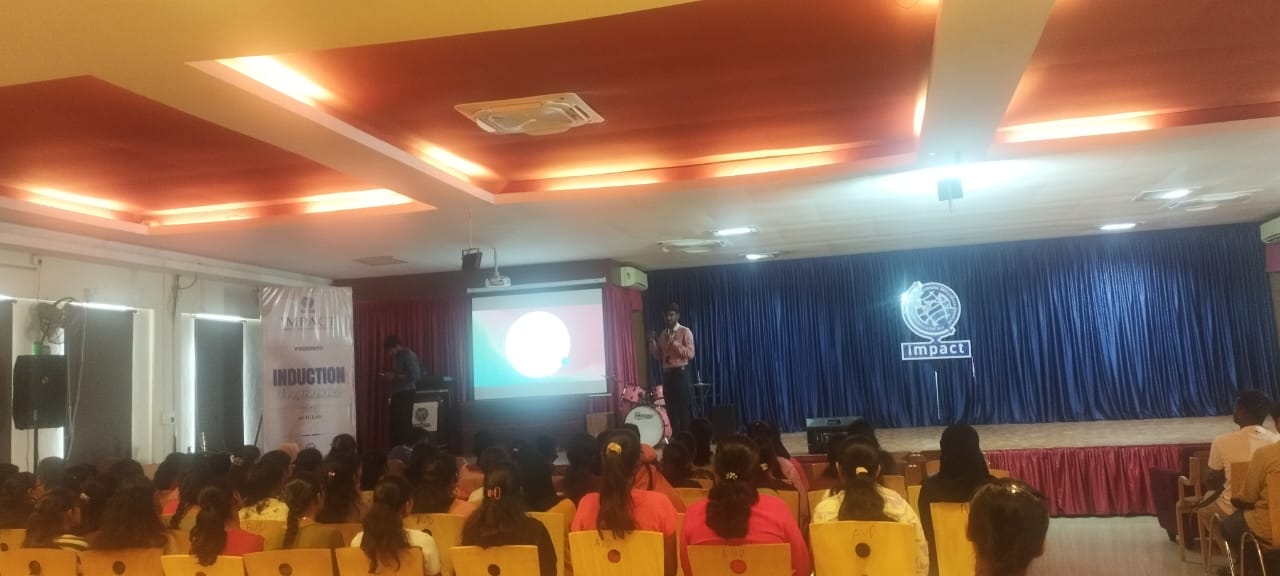
Interactive methods such as seminars, workshops, group discussions, and industry-driven projects further enhance hands-on skills.
l-world applications.
Interactive methods such as seminars, workshops, group discussions, and industry-driven projects further enhance hands-on skills.
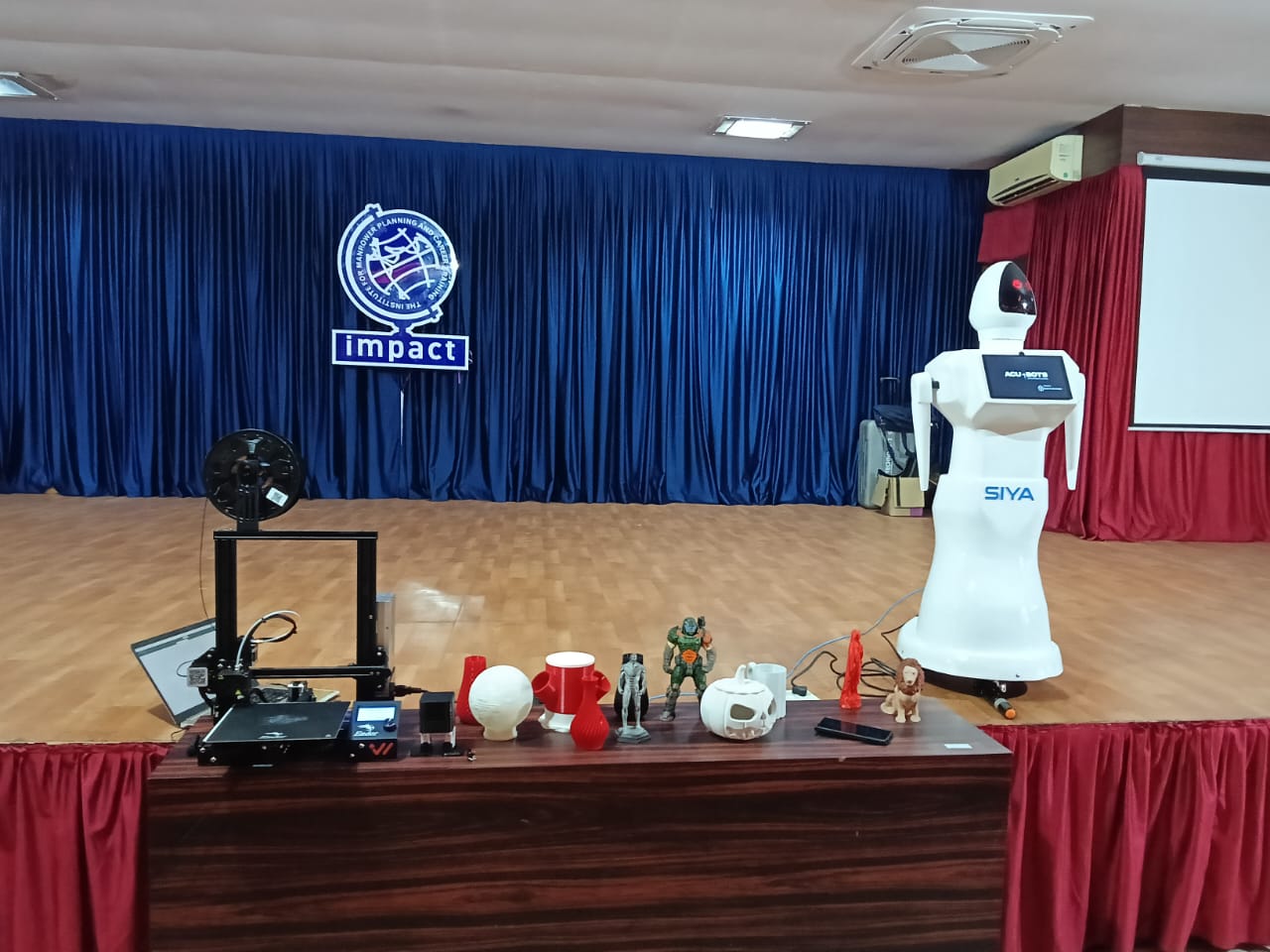
The institution encourages industrial exposure and experiential learning. The program includes hands-on components such as a mandatory internship of 90 hours, giving students real industry exposure. It also features major and minor projects where learners build software, web apps, or other IT solutions. Regular lab sessions, workshops, and technical seminars strengthen practical skills throughout the course. Additionally, there are industry interactions supported by the Institution-Industry Cell.
The BCA program is clearly structured for full-time Undergraduate students. Eligibility for the BCA program generally requires completion of 10+2 (any stream) from a recognized board.
Graduates can work as software developers, system analysts, web developers, database administrators, and IT support engineers. The programme creates multiple pathways for both corporate and start-up opportunities.
Graduates can work as software developers, system analysts, web developers, database administrators, and IT support engineers. The programme creates multiple pathways for both corporate and start-up opportunities.